Wedding Reception Traditions Explained: Which to Keep and Which to Skip
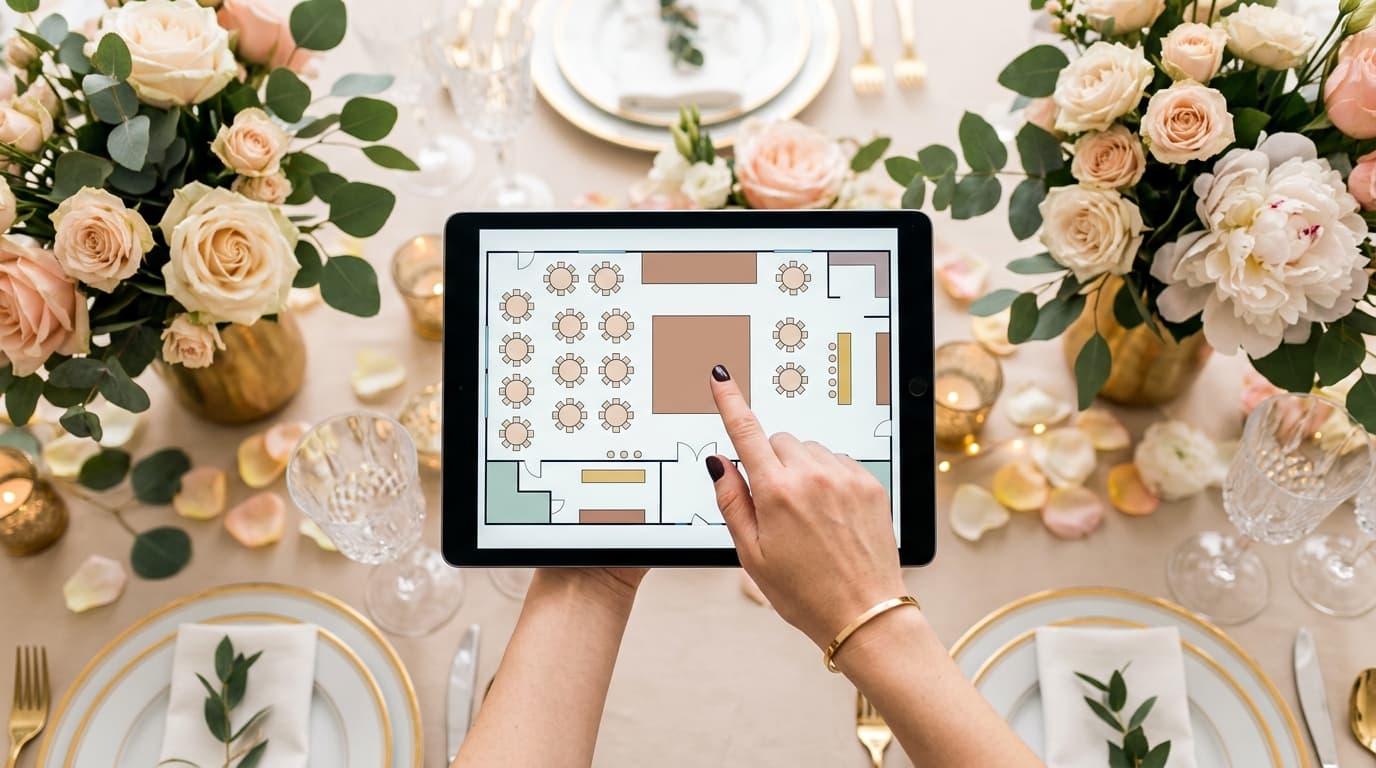
There is a reason wedding reception traditions keeps showing up on every wedding planning checklist. Digital seating charts and QR codes at weddings have seen a 300 percent increase in adoption since 2022. Whether you are just getting started or deep into the details, this guide has you covered.
Planning Your Reception: Where to Start
The reception is where your guests will spend most of their time, and it is what they will remember most vividly. Before diving into details like centerpieces and playlists, start with the structural decisions: timeline, layout, and flow.

Map out the key moments — cocktail hour, dinner service, toasts, first dance, cake cutting, and open dancing. The order and timing of these events creates the rhythm of your entire evening. Most successful receptions follow a natural arc from structured to relaxed.
Creating the Right Flow and Energy
The transition from cocktail hour to dinner is where most receptions hit a snag. Guests need to move from one space to another, find their seats, and settle in — all while the couple is often still taking photos. This is exactly where a clear seating system pays off.
Keep the energy moving by varying the pace throughout the evening. A seated dinner followed by toasts creates a natural pause before the dance floor opens up. Avoid clustering all the formal elements at the beginning — spread them out to maintain momentum.

Think about your guests as an audience. The best receptions feel like a great show — there is always something happening, but nothing feels rushed or forced.
That said, the details matter more than most couples expect.
Making It Memorable Without Overspending
The moments guests remember most are rarely the most expensive ones. A heartfelt toast, a surprise song, a late-night snack station — these personal touches create lasting memories without a massive price tag.
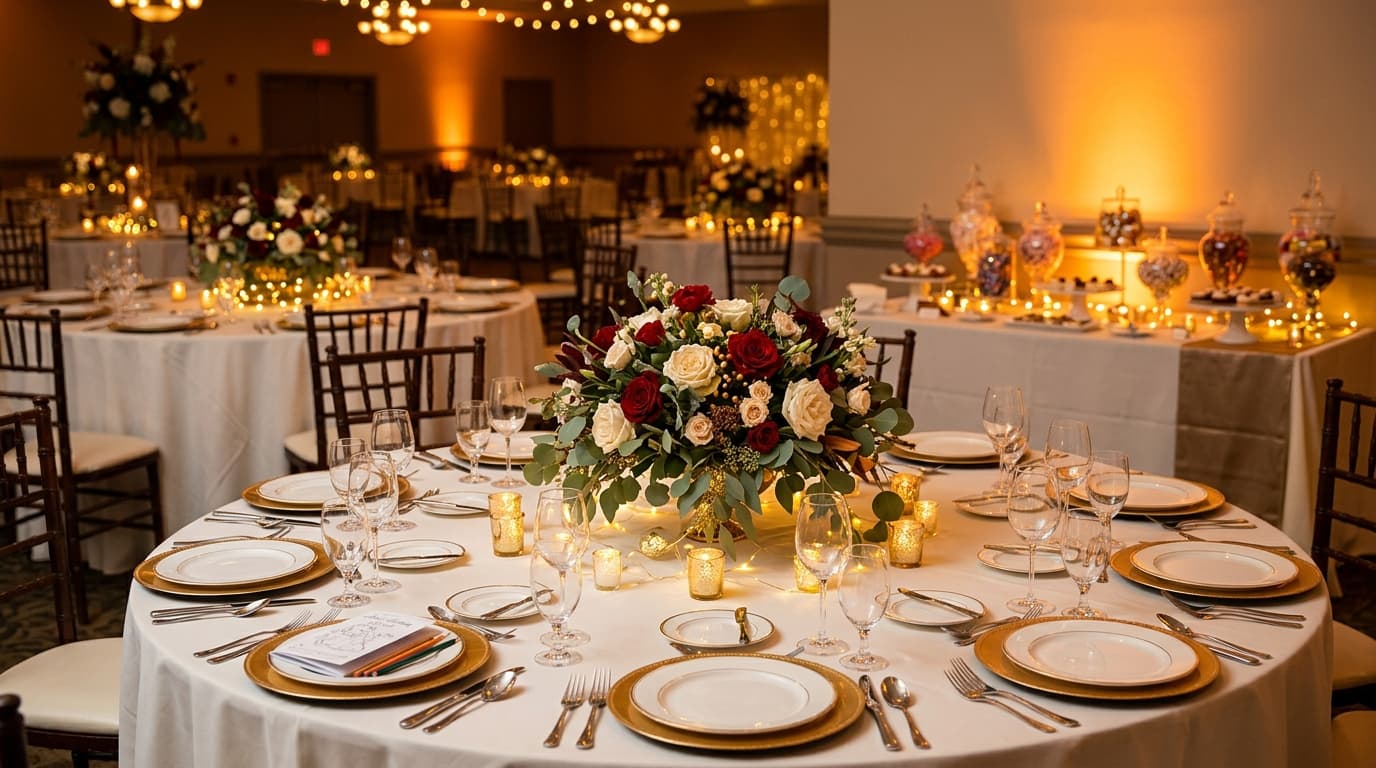
Look for places to invest in experience over aesthetics. Great food and an engaging DJ or band will outshine expensive centerpieces every time. Most guests will not remember the linens, but they will remember the dance floor energy.
Trends and Modern Approaches for 2026
The biggest shift in wedding reception traditions over the past few years has been the move toward digital solutions. Couples in 2026 are less interested in traditional paper-based approaches and more focused on tools that save time and reduce stress.
Personalization continues to be a major trend. Guests expect a tailored experience, and couples are finding creative ways to deliver that without adding complexity to their planning process.
Sustainability is also influencing decisions. From digital invitations to reusable decor, couples are making choices that align with their values without sacrificing aesthetics or guest experience.
Start with what matters most to you as a couple and work backward from there. If you both care most about great food, put your budget there. If the dance party is your priority, invest in the DJ or band. Knowing your top two or three priorities makes every other decision easier because you have a clear framework for where to spend and where to save.
Delegate wherever you can. Your maid of honor, best man, parents, and close friends want to help — let them. Assign specific, clearly defined tasks rather than vague 'help me with the wedding' requests. People are much more effective when they know exactly what is expected of them.
Communication is the thread that ties good wedding planning together. Make sure your partner, your wedding party, and your key vendors are all on the same page. A shared document, a group chat, or even a simple email summary after each planning session keeps everyone aligned and reduces the chance of crossed wires on the day itself.
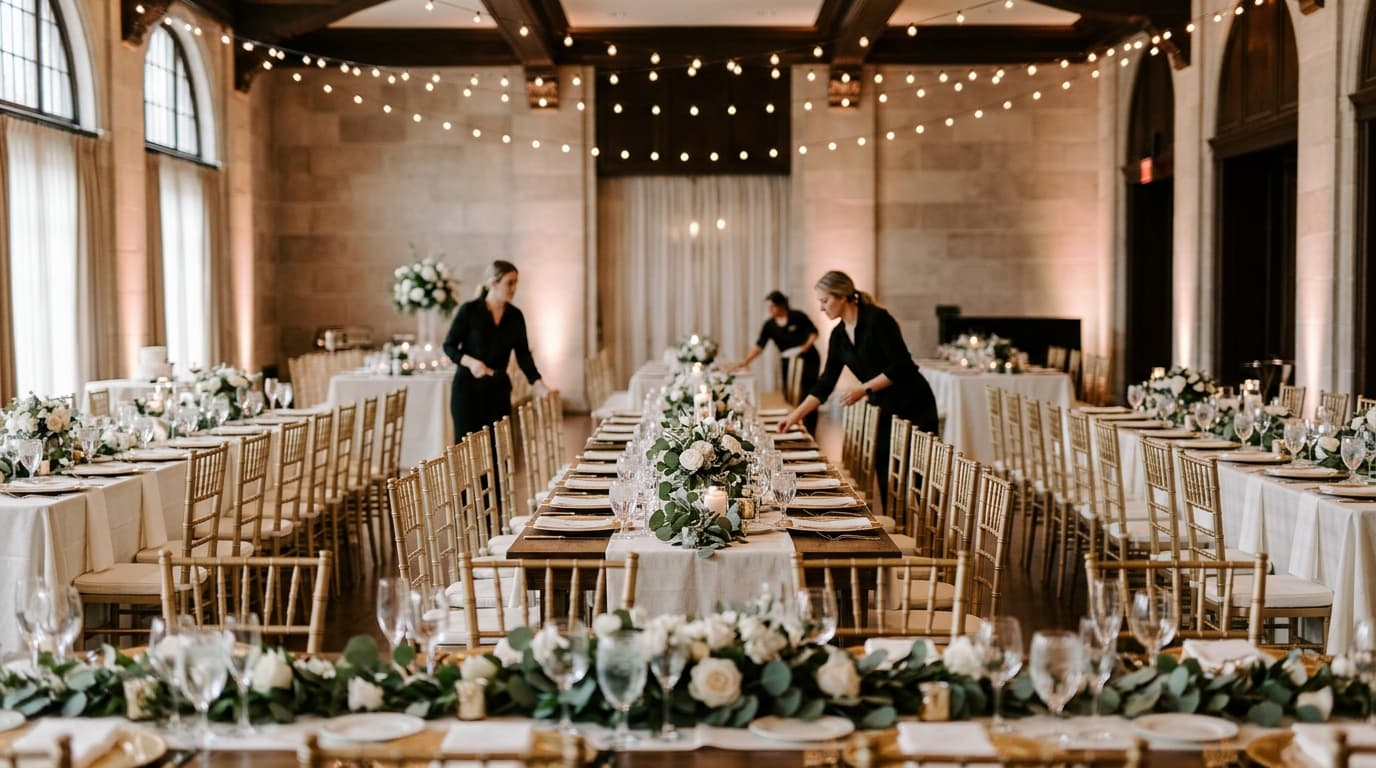
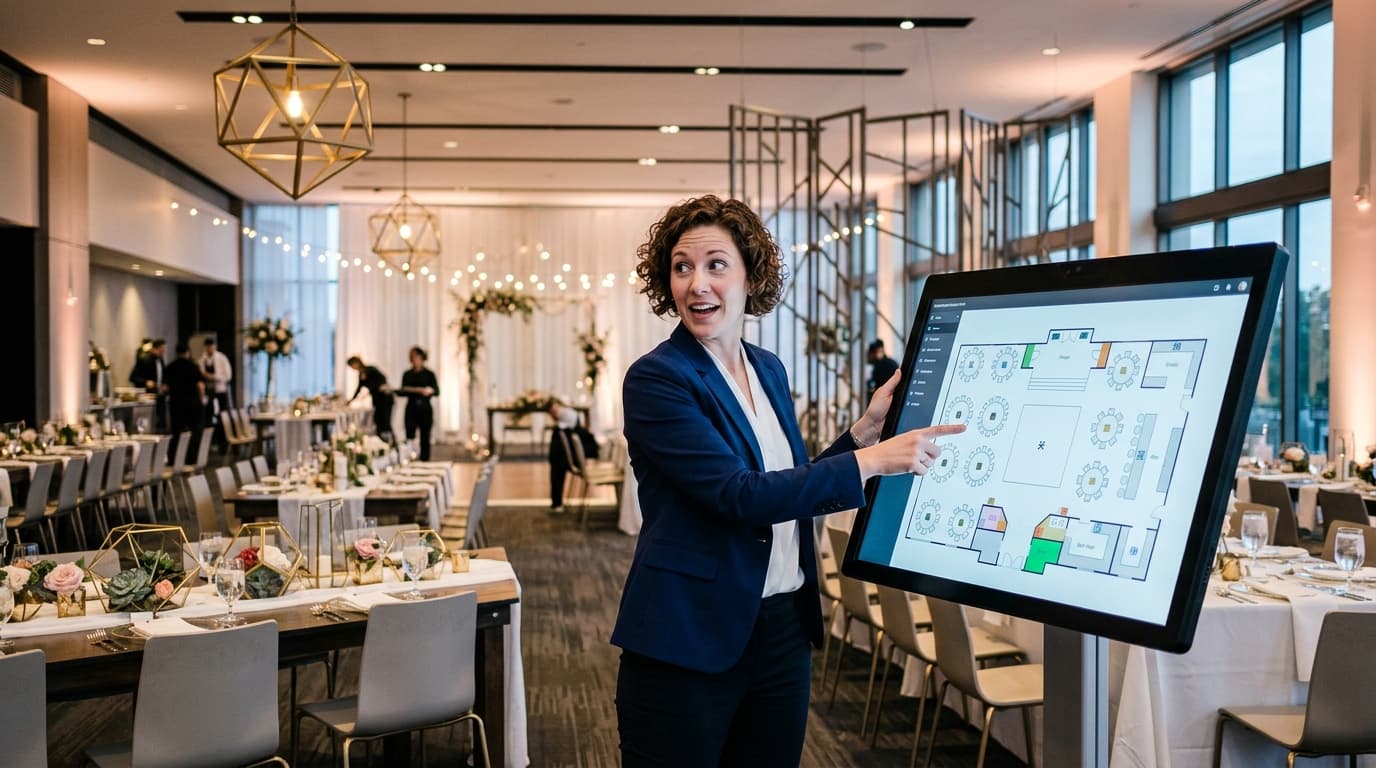
Your venue layout directly affects how your reception feels. Spread tables too far apart and the room feels empty. Pack them too tight and guests feel cramped. The general rule is 60 to 72 inches between table edges — enough for servers to pass through and guests to push their chairs back without bumping into someone behind them.
Document your decisions as you make them. A running list of 'decided' items — from the napkin color to the processional order — prevents you from second-guessing or relitigating choices you have already made. Decision fatigue is real in wedding planning, and keeping a clear record protects your energy for the choices that still need your attention.
Related Guides You Might Find Helpful
- Guest Book Alternatives for Your Wedding Reception
- Wedding Reception Centerpiece Ideas for Every Budget
- What Makes a Great Wedding Reception? Guests Weigh In
The couples who enjoy their wedding day the most are the ones who planned ahead and then let go. Trust your preparation and be present.