Wedding Reception Do's and Don'ts: A Practical Guide
When it comes to wedding reception dos and donts, there is a lot of outdated advice floating around. Research shows that 80 percent of engaged couples turn to online content for wedding inspiration and advice. This guide focuses on what actually works in 2026.
Creating the Right Flow and Energy
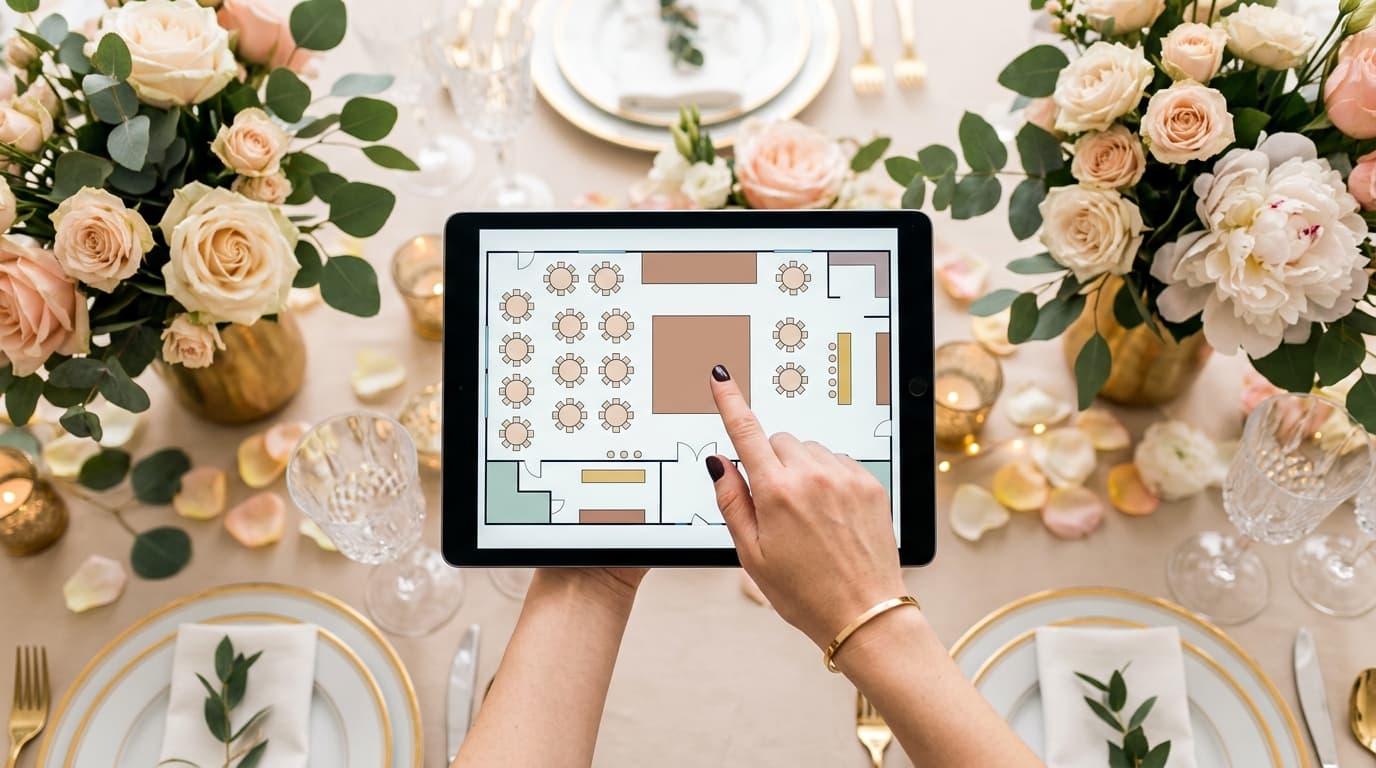
The transition from cocktail hour to dinner is where most receptions hit a snag. Guests need to move from one space to another, find their seats, and settle in — all while the couple is often still taking photos. This is exactly where a clear seating system pays off.

Keep the energy moving by varying the pace throughout the evening. A seated dinner followed by toasts creates a natural pause before the dance floor opens up. Avoid clustering all the formal elements at the beginning — spread them out to maintain momentum.
Think about your guests as an audience. The best receptions feel like a great show — there is always something happening, but nothing feels rushed or forced.
Reception Logistics Most Couples Overlook
Sound levels are one of the most overlooked reception details. If the DJ or band is too loud during dinner, conversation suffers. If the speakers do not reach the edges of the room, guests miss the toasts. Do a sound check during your venue walkthrough.

Temperature control is another hidden factor. Outdoor receptions need shade or cooling options in summer, and heating in cooler months. Indoor venues with large crowds can get warm quickly — ask about HVAC capabilities before booking.
Finally, plan your restroom situation. For outdoor or tent weddings, luxury portable restrooms are a worthwhile investment. For indoor venues, check how many stalls are available relative to your guest count.
So how does this actually work in practice? Let us break it down.
Making It Memorable Without Overspending
The moments guests remember most are rarely the most expensive ones. A heartfelt toast, a surprise song, a late-night snack station — these personal touches create lasting memories without a massive price tag.
Look for places to invest in experience over aesthetics. Great food and an engaging DJ or band will outshine expensive centerpieces every time. Most guests will not remember the linens, but they will remember the dance floor energy.
Expert Tips and Insider Advice
Wedding planners who have managed hundreds of events consistently recommend starting wedding reception dos and donts earlier than you think you need to. The couples who leave it to the last minute are always the most stressed.
Another insider tip: do not try to reinvent the wheel. There is a reason certain approaches to wedding reception dos and donts have become standard — they work. Innovation is great, but reliability matters more on your wedding day.
If you are working with a planner or coordinator, lean on their experience. They have seen what works and what does not across dozens or hundreds of weddings. Their advice is based on real outcomes, not Pinterest fantasies.
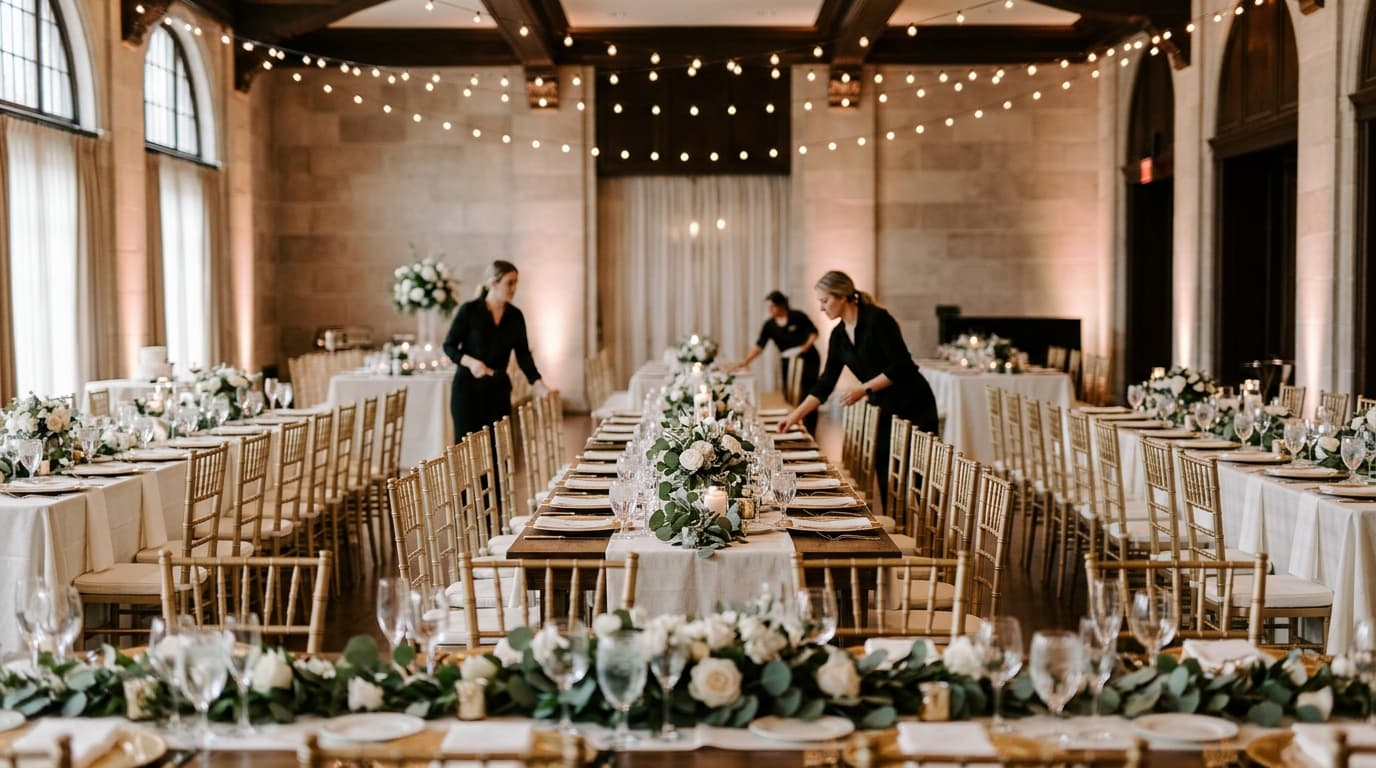
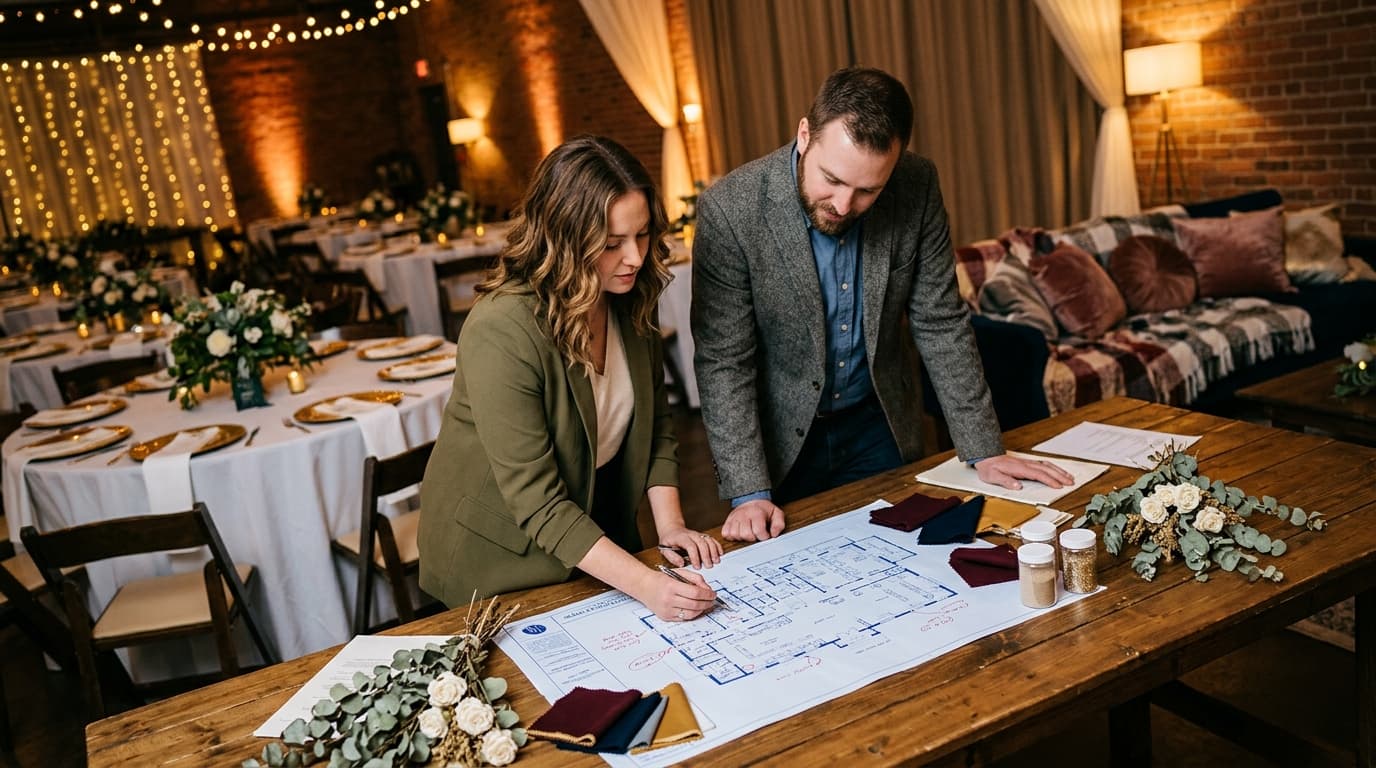
Your venue layout directly affects how your reception feels. Spread tables too far apart and the room feels empty. Pack them too tight and guests feel cramped. The general rule is 60 to 72 inches between table edges — enough for servers to pass through and guests to push their chairs back without bumping into someone behind them.
When in doubt, simplify. The weddings that feel the most seamless to guests are usually the ones with fewer moving parts executed well, rather than many complicated elements that require constant management. Elegant simplicity almost always beats ambitious complexity.
Delegate wherever you can. Your maid of honor, best man, parents, and close friends want to help — let them. Assign specific, clearly defined tasks rather than vague 'help me with the wedding' requests. People are much more effective when they know exactly what is expected of them.
Set realistic deadlines for each planning milestone and build in a one-week buffer for each one. If your seating chart needs to be finalized three weeks before the wedding, set your personal deadline for four weeks before. This small shift eliminates the panic that comes from last-minute deadlines colliding with real life.
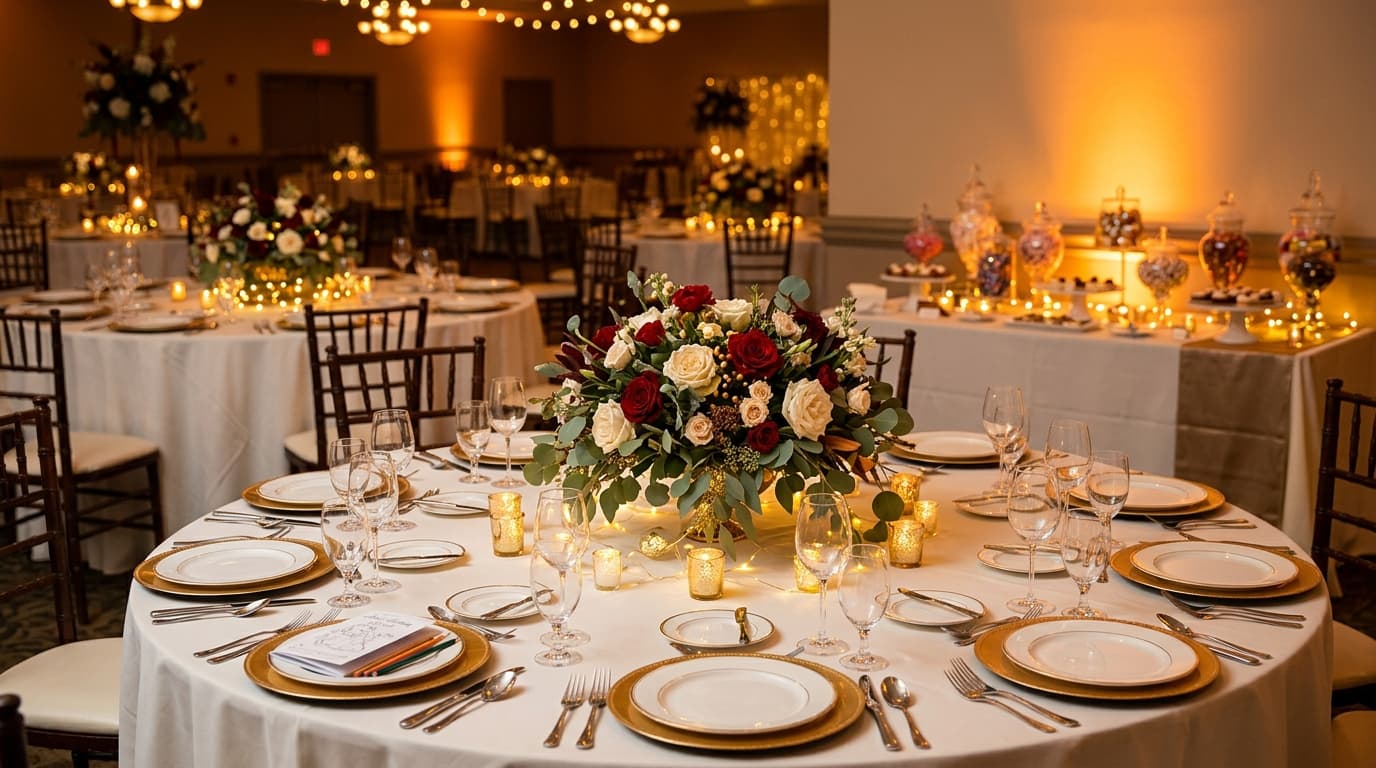
Do not underestimate the power of lighting. Most venues look best in warm, dim lighting during dinner and slightly brighter, more colorful lighting once the dance floor opens. Ask your DJ or lighting vendor about timed lighting changes that match the flow of your evening. It is one of the simplest ways to transform a space without spending a fortune.
Related Guides You Might Find Helpful
- Wedding Reception Traditions Explained: Which to Keep and Which to Skip
- How to Plan a Wedding Reception on a Budget Without Cutting Corners
- Outdoor Wedding Reception Planning: Weather, Layout, and Backup Plans
At the end of the day, your wedding should feel like you — not like a Pinterest board. Make choices that match your values, your budget, and your guests.