Wedding Reception Seating Arrangement Strategies That Work
There is a reason wedding reception seating arrangement strategies keeps showing up on every wedding planning checklist. The average wedding now costs over $35,000 in the United States, making every planning decision count. Whether you are just getting started or deep into the details, this guide has you covered.
Planning Your Reception: Where to Start
The reception is where your guests will spend most of their time, and it is what they will remember most vividly. Before diving into details like centerpieces and playlists, start with the structural decisions: timeline, layout, and flow.

Map out the key moments — cocktail hour, dinner service, toasts, first dance, cake cutting, and open dancing. The order and timing of these events creates the rhythm of your entire evening. Most successful receptions follow a natural arc from structured to relaxed.
Making It Memorable Without Overspending
The moments guests remember most are rarely the most expensive ones. A heartfelt toast, a surprise song, a late-night snack station — these personal touches create lasting memories without a massive price tag.
Look for places to invest in experience over aesthetics. Great food and an engaging DJ or band will outshine expensive centerpieces every time. Most guests will not remember the linens, but they will remember the dance floor energy.

Understanding this is one thing — executing it well is another.
Creating the Right Flow and Energy
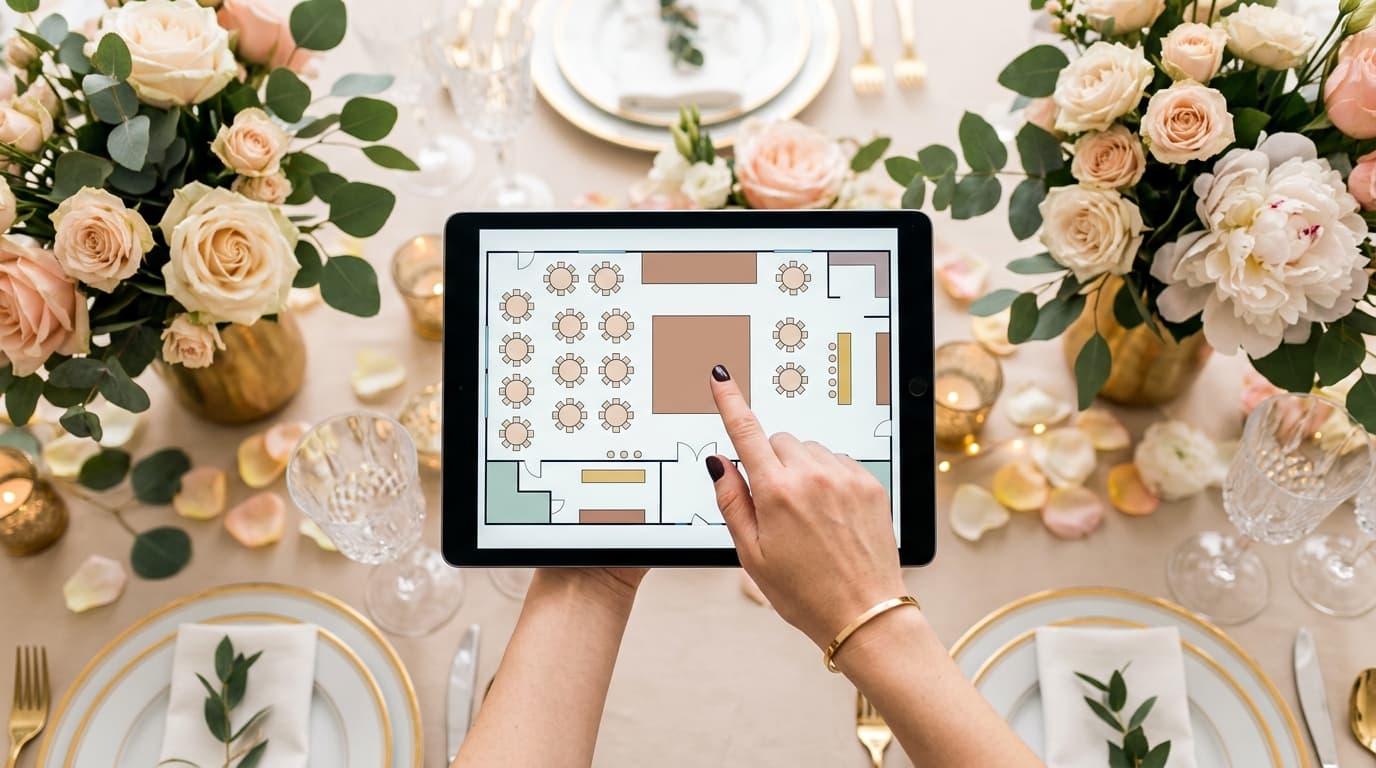
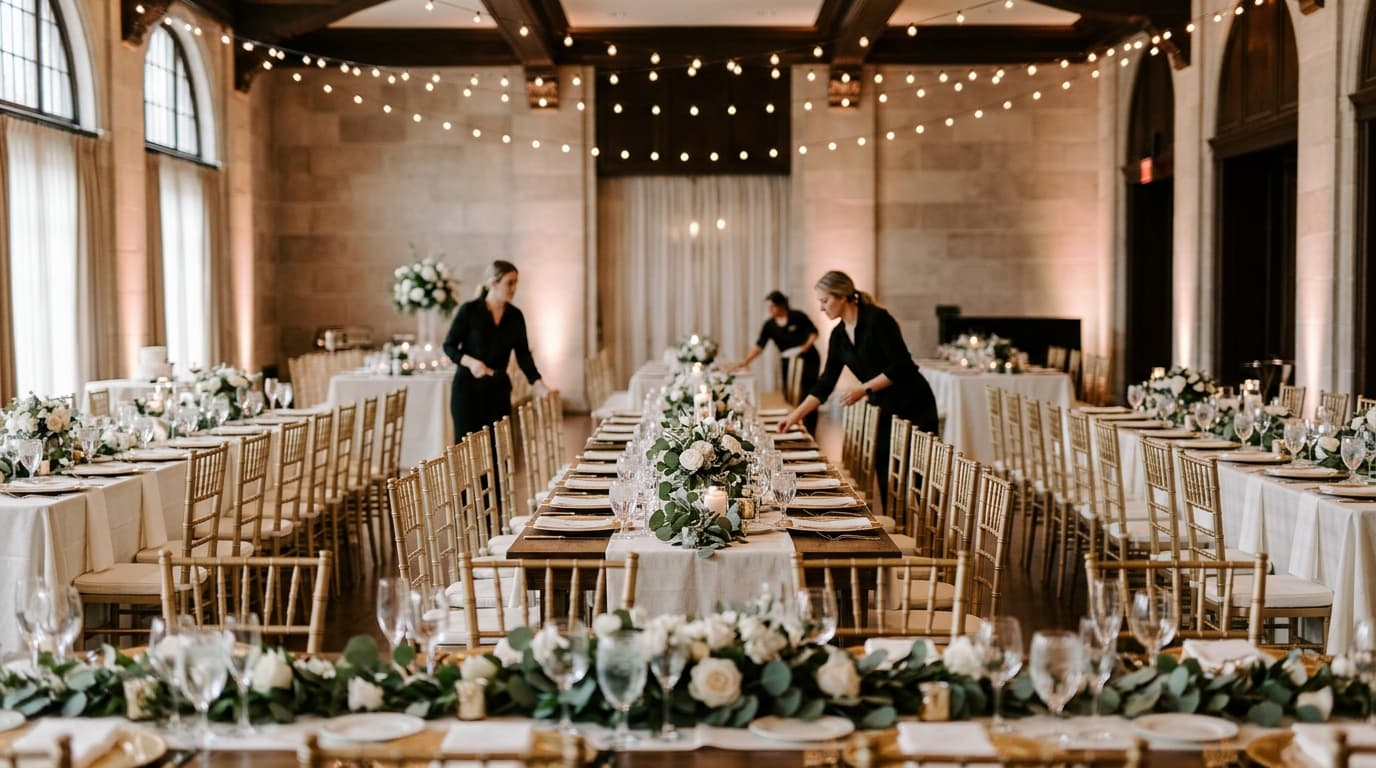
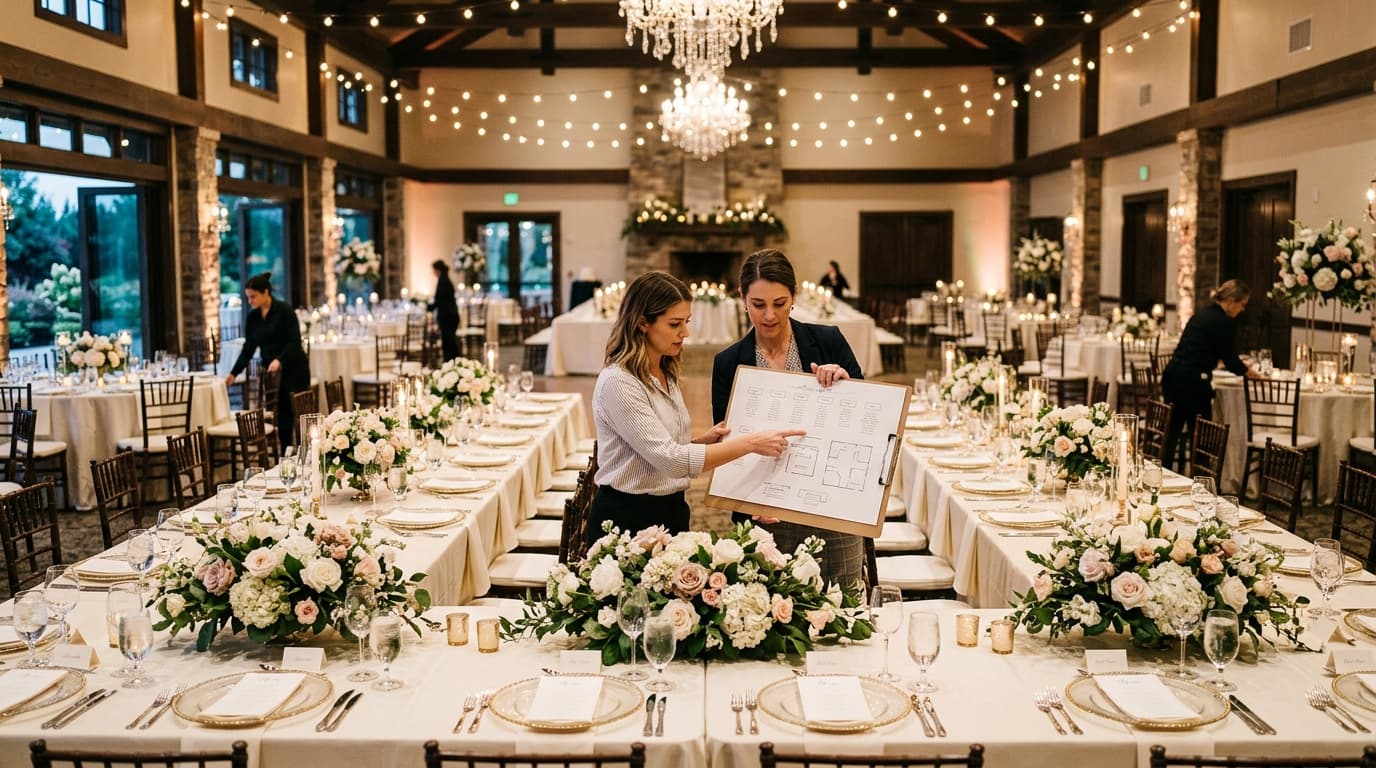
The transition from cocktail hour to dinner is where most receptions hit a snag. Guests need to move from one space to another, find their seats, and settle in — all while the couple is often still taking photos. This is exactly where a clear seating system pays off.
Keep the energy moving by varying the pace throughout the evening. A seated dinner followed by toasts creates a natural pause before the dance floor opens up. Avoid clustering all the formal elements at the beginning — spread them out to maintain momentum.
Think about your guests as an audience. The best receptions feel like a great show — there is always something happening, but nothing feels rushed or forced.
A Step-by-Step Approach
The most effective approach to wedding reception seating arrangement strategies starts with gathering your requirements. What do you actually need? What are your constraints — budget, timeline, guest count, venue limitations? Write these down before making any decisions.
Next, research your options. Compare at least three different approaches or tools before committing. Read reviews from couples who have been in your exact situation. Pay attention to what they wish they had done differently.
Finally, make your decision and commit. Analysis paralysis is real in wedding planning. Once you have done your due diligence, trust your judgment and move forward. You can always make adjustments later.
Common Questions Answered
One of the most frequently asked questions about wedding reception seating arrangement strategies is whether it is worth investing time and money in. The short answer is yes — but with a caveat. Focus your investment on the elements that directly affect guest experience and your own peace of mind.
Another common question is about timing. When should you tackle wedding reception seating arrangement strategies in your planning timeline? For most couples, this should be addressed 2 to 4 months before the wedding, once the major decisions — venue, guest count, and overall vision — are locked in.
Finally, many couples ask whether they need professional help. It depends on your comfort level and budget. If wedding reception seating arrangement strategies feels overwhelming, even a one-hour consultation with an experienced planner can save you hours of trial and error.
When in doubt, simplify. The weddings that feel the most seamless to guests are usually the ones with fewer moving parts executed well, rather than many complicated elements that require constant management. Elegant simplicity almost always beats ambitious complexity.
Remember that your wedding is ultimately about celebrating your relationship with the people you love most. It is easy to lose sight of that in the fog of planning logistics. Step back periodically, take a breath, and remind yourself that the goal is joy — not perfection.
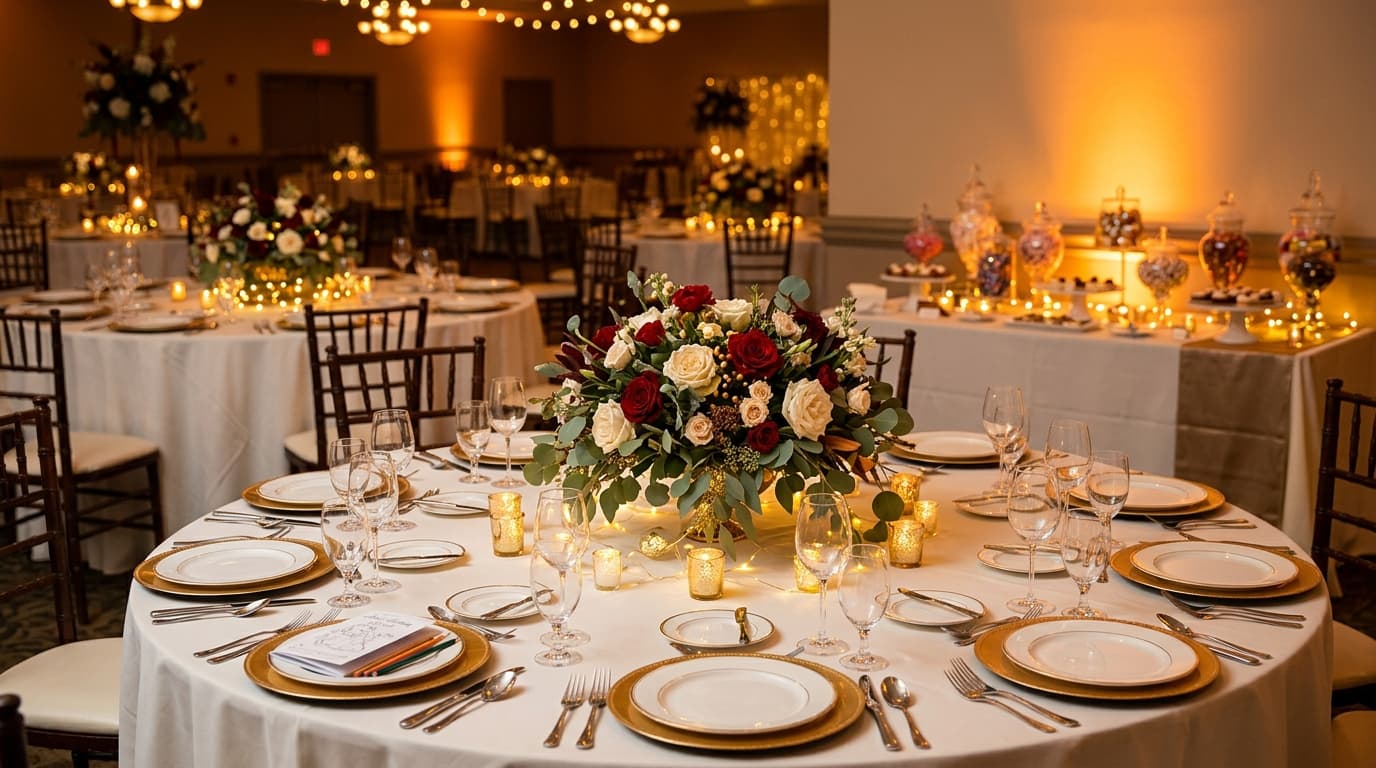
Do not underestimate the power of lighting. Most venues look best in warm, dim lighting during dinner and slightly brighter, more colorful lighting once the dance floor opens. Ask your DJ or lighting vendor about timed lighting changes that match the flow of your evening. It is one of the simplest ways to transform a space without spending a fortune.
Related Guides You Might Find Helpful
- Wedding Reception Food Ideas for Every Budget and Style
- Wedding Receptions Without Dancing: Fun Alternative Ideas
- Wedding Reception Favors Guests Will Not Throw Away
If you are looking for a digital option, tools like SeatYourself let you create a QR-powered seating chart that guests access from their phones — no app required. It is free for up to 50 guests.
Wedding planning is a marathon, not a sprint. Take it one decision at a time, and remember that done is better than perfect.