How to Make a Wedding Seating Chart: Complete Guide
There is a reason how to make a wedding seating chart keeps showing up on every wedding planning checklist. Research shows that 80 percent of engaged couples turn to online content for wedding inspiration and advice. Whether you are just getting started or deep into the details, this guide has you covered.
How to Get Started With how to make a wedding seating chart
Start by collecting your confirmed guest list with dietary needs and any relationship notes. Group guests into natural clusters — college friends, work colleagues, family branches, childhood friends. These clusters become the building blocks of your table assignments.

Next, decide on your table shape and size. Round tables of 8 to 10 are the most common, but long banquet tables create a different dynamic. Your venue layout and guest count will guide this choice. Most couples find that a mix of both works well for visual variety.
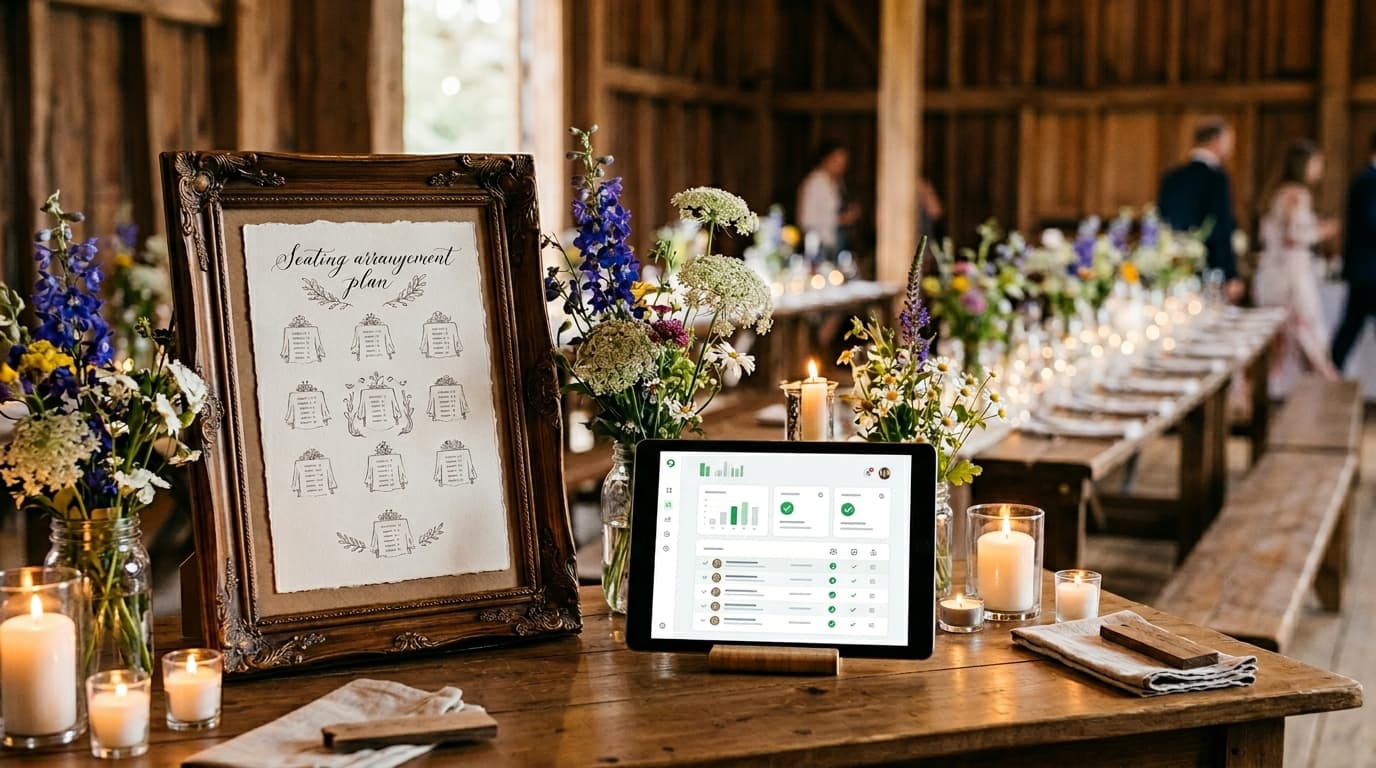
Once you have your groups and table format, use a digital tool to drag and drop guests into place. This is far easier than paper and sticky notes because you can instantly swap guests between tables without starting over.
Why how to make a wedding seating chart Matters More Than You Think
The seating chart is one of the few wedding elements that directly affects every single guest. It determines who they talk to, how comfortable they are, and whether they actually enjoy the reception. A well-thought-out seating arrangement can turn strangers into friends and keep family dynamics peaceful.

Many couples underestimate the impact of their seating decisions until the day itself. By then, it is too late to fix a poorly placed uncle or an awkward table of mismatched acquaintances. The key is planning ahead with the right tools and strategy.
The good news is that this is easier than it sounds once you know the approach.
Common Mistakes to Avoid
The biggest mistake couples make is waiting too long to start their seating chart. Ideally, you should begin once you have 80 percent of your RSVPs back — typically 3 to 4 weeks before the wedding. Starting earlier means less panic when last-minute changes inevitably happen.
Another common error is seating people based solely on obligation rather than compatibility. Just because two guests are both from the groom's side does not mean they will enjoy sitting together. Think about conversation dynamics, not just categories.
Finally, do not forget about physical logistics. Seat elderly guests away from speakers and near exits. Keep parents of young children near the kids table. Place guests with mobility needs where they will not need to navigate stairs or tight spaces.
Practical Considerations and Budget Tips
Budget is always a factor in how to make a wedding seating chart. The good news is that the most impactful choices are often not the most expensive ones. Smart allocation matters more than total spend.
Look for places where digital tools can replace physical products. Digital seating charts, online RSVPs, and QR-code-based systems often cost a fraction of their paper equivalents while offering more flexibility and a better guest experience.
When comparing options, factor in your time as a cost. A slightly more expensive tool that saves you 10 hours of work is almost always worth it, especially in the final weeks before your wedding.
Consider assigning tables rather than specific seats. This gives guests flexibility to choose who they sit next to while still keeping groups together. It is a compromise that works especially well for casual and semi-formal receptions where rigid seat assignments would feel out of place.
Delegate wherever you can. Your maid of honor, best man, parents, and close friends want to help — let them. Assign specific, clearly defined tasks rather than vague 'help me with the wedding' requests. People are much more effective when they know exactly what is expected of them.
Start with what matters most to you as a couple and work backward from there. If you both care most about great food, put your budget there. If the dance party is your priority, invest in the DJ or band. Knowing your top two or three priorities makes every other decision easier because you have a clear framework for where to spend and where to save.
Related Guides You Might Find Helpful
- 30 Wedding Sign Ideas Your Guests Will Love
- Alphabetical Wedding Seating Charts: Should You Organize by Last Name?
- Online Wedding Seating Chart Maker: Create Yours in Minutes
If you are looking for a digital option, tools like SeatYourself let you create a QR-powered seating chart that guests access from their phones — no app required. It is free for up to 50 guests.
At the end of the day, your wedding should feel like you — not like a Pinterest board. Make choices that match your values, your budget, and your guests.